Course Basket
Your basket is empty.
IMPORTANT: College Open Today
All our campuses are open as normal today. Please travel safely and check our social media channels for any further updates.

Equipping students to succeed in a rapidly changing society, building on our strong reputation, resources, and partnerships.

SGS College’s Hair and Beauty lecturers have further developed their knowledge through specialist skin cancer awareness training delivered by Aneurin Bevan University Health Board, in Caerleon on 11 May 2026.
As the only English college represented at the session, SGS is continuing to support staff development and ensure teaching reflects current industry practice and public health priorities.
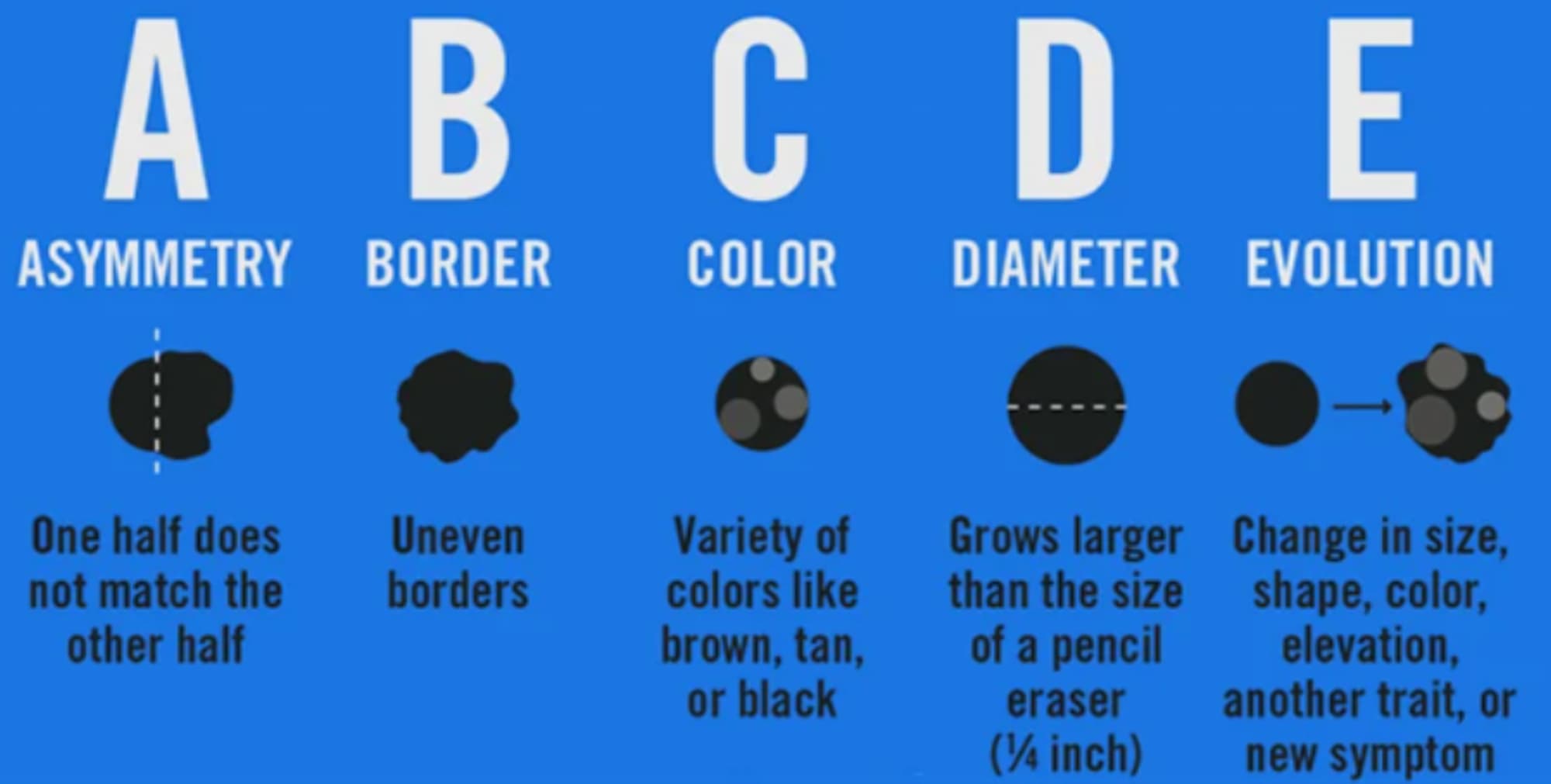
The training focused on developing understanding of recognised frameworks used within the sector, including the ABCDE method for identifying potential signs of melanoma. This comes at a time when awarding bodies such as VTCT are increasingly embedding skin cancer awareness into hair and beauty qualifications, following employer feedback and national public health campaigns. As beauty therapists regularly work closely with clients’ skin, they are in a unique position to observe changes or irregularities. However, this requires careful training to ensure observations are made professionally and that any concerns are handled appropriately.
The Senior Programme Manager for Cancer Services at Aneurin Bevan University Health Board, said:
“Across your boarder in Gwent, we’ve seen a 79% increase in people being treated for skin cancer. Hair and Beauty professionals can play a vital role in the community by knowing how to spot the early signs of skin cancer and encouraging their clients to take care of their skin when spending time outdoors. Skin cancer can affect anyone, regardless of age or skin type, so it’s vital that everyone takes steps to protect themselves. That means regularly reapplying a broad-spectrum sunscreen with at least SPF 30; wearing hats, long sleeves and UV-protective sunglasses; and seeking shade, especially between 11am and 3pm when the sun is strongest. One bad sunburn can have lifelong consequences - early protection can save lives.”
At SGS College, this knowledge is being integrated into teaching to ensure learners develop the observational skills needed within a modern salon environment. Students are taught how to identify changes in the skin and understand when it is appropriate to advise clients to seek medical guidance, without moving into diagnosis. This reflects real industry practice, where therapists play an important role in client care and wellbeing.
Helen Lax, Learner Area Manager of Hair, Beauty and Complimentary Therapies, SGS said:
“This training supports the continued development of our Hair and Beauty curriculum, ensuring it remains aligned with current industry standards and public health priorities. It also contributes significantly to the professional development of our staff. By ensuring our lecturers are equipped with up-to-date knowledge and best practice, we can support our students in confidently recognising when something may be atypical and in understanding how to respond appropriately within the scope of their role.”
A key part of this approach is understanding how the Fitzpatrick Scale and the ABCDE method work together in practice. The Fitzpatrick Scale, developed in 1975, supports therapists in assessing skin type and how it may respond to UV exposure, helping to build an awareness of different levels of risk. Alongside this, the ABCDE method provides a structured way of observing moles or skin changes, considering factors such as asymmetry, border irregularity, colour, diameter and any evolution over time.
During a treatment, these frameworks allow therapists to make informed and professional observations as part of their routine practice. By recognising what may look unusual and recording this appropriately, they are able to signpost clients to seek advice from a GP where necessary. This ensures that client safety is always prioritised, while maintaining clear professional boundaries.
This latest training highlights SGS College’s proactive approach to continuous professional development and its strong links with external stakeholders. By responding to employer needs and engaging with organisations such as NHS Wales, the College ensures its curriculum remains current, progressive and closely aligned with industry standards.
For students, this supports their progression into employment by building the confidence and awareness expected by employers. It also highlights the role of beauty therapists in supporting client wellbeing through safe and informed practice, alongside delivering treatments.